Dubai Warehouse Jobs Salary Guide 2026
If you’re researching Dubai warehouse jobs salary 2026, you’ve come to the right place. Dubai is one of the busiest trade and logistics hubs in the world — every year, millions of tonnes of goods pass through its ports, free zones, and distribution centres, and behind all of that movement there are thousands of warehouse workers keeping the supply chain running.
It’s one of the most accessible entry points into the Gulf job market, and the opportunities in 2026 are genuinely solid — especially with the continued expansion of e-commerce, logistics, and retail across the UAE.
But before you apply, you need the full picture. What do these jobs actually pay? What’s expected of you? What mistakes do people make that cost them the opportunity? This guide answers all of that — honestly, practically, and without the fluff.
What Are Dubai Warehouse Jobs?
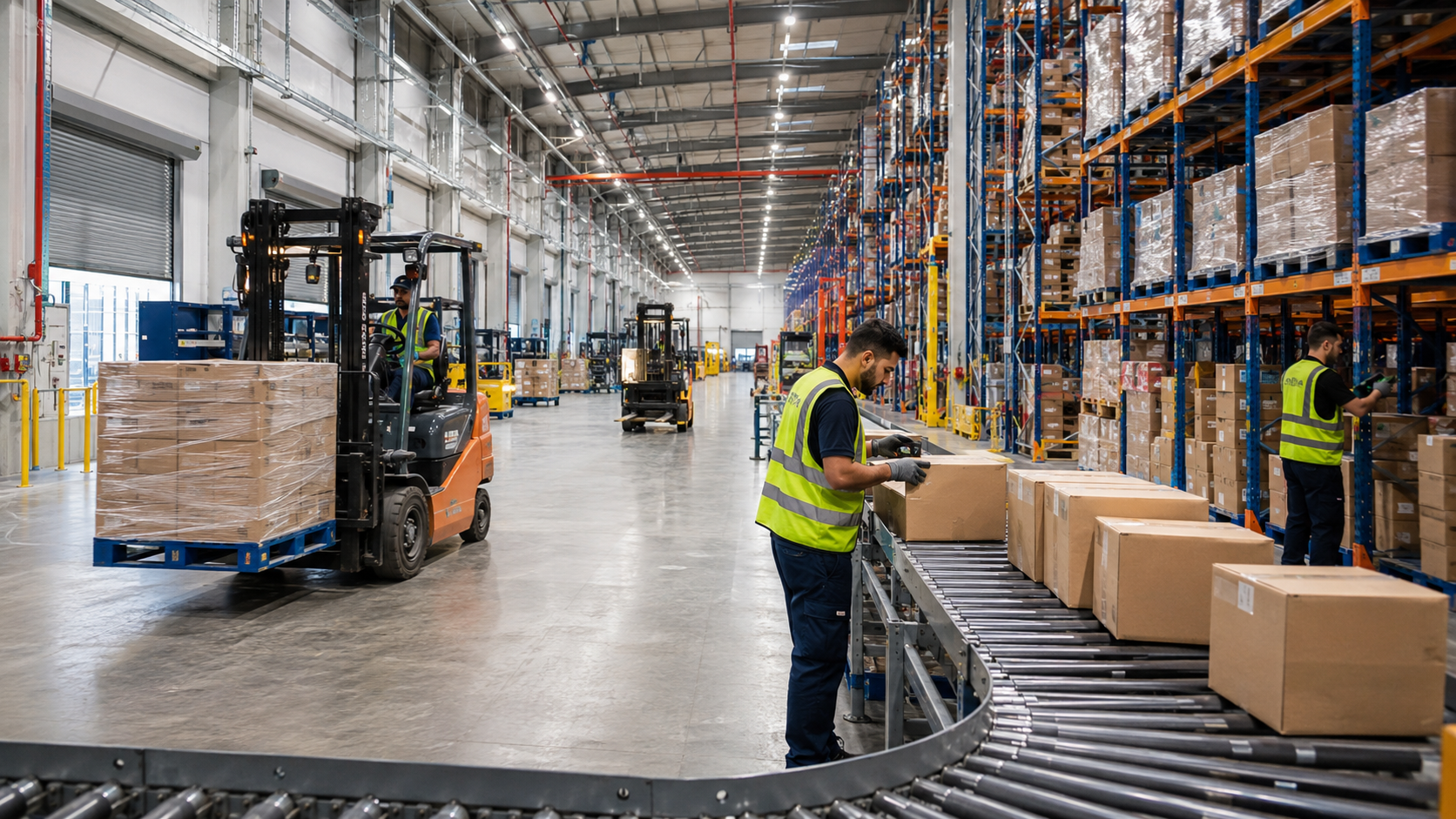
Warehouse jobs in Dubai cover a wide range of roles within storage, distribution, logistics, and supply chain operations. At the core, a warehouse job involves receiving goods, storing them correctly, picking and packing orders, and dispatching shipments — but the actual work varies a lot depending on your specific role and the type of company you work for.
Dubai’s warehousing sector is massive. With areas like Jebel Ali Free Zone (JAFZA), Dubai Logistics City, Dubai Investment Park, and Al Quoz hosting hundreds of warehouses, there’s a constant demand for workers across all skill levels — from general helpers to experienced supervisors.
Why Are Warehouse Jobs in Dubai So Popular?
A few honest reasons explain why so many people pursue these roles:
- No degree required for most roles. Many warehouse positions are open to people with a high school certificate or even just basic literacy and physical fitness.
- Stable demand. Dubai’s logistics sector keeps growing. The UAE’s non-oil economy depends heavily on trade, and warehouses are the backbone of that.
- Accommodation and meals often included. Many employers provide housing and transport, which dramatically reduces your living expenses.
- Clear career path. You can start as a helper and work your way up to supervisor, team leader, or warehouse manager over a few years.
- Tax-free income. Like all jobs in the UAE, warehouse salaries are 100% tax-free — what you earn is what you keep.
Types of Warehouse Jobs in Dubai
The warehouse sector isn’t just one type of job. Here’s a breakdown of the common roles you’ll find across Dubai’s warehouses:
1. Warehouse Helper / General Labour
This is the entry-level position. Responsibilities include loading and unloading goods, cleaning, moving stock, and supporting senior workers. No prior experience is usually required.
2. Store Keeper
A storekeeper manages inventory — recording incoming and outgoing stock, maintaining stock records, and ensuring items are stored in the right locations. This role requires basic computer skills and attention to detail.
3. Picker and Packer
Common in e-commerce and retail warehouses. Pickers locate items based on order sheets and packers prepare them for shipping. This is a fast-paced role with targets to meet.
4. Forklift Operator
A skilled role that requires a valid forklift licence. Forklift operators move heavy pallets and goods within the warehouse. This comes with higher pay and good demand across industries.
5. Inventory / Stock Controller
Stock controllers manage the overall movement of goods using warehouse management systems (WMS). They track stock levels, coordinate with procurement teams, and flag discrepancies.
6. Logistics Coordinator
This is a more office-based warehouse role involving planning shipments, coordinating with suppliers and transport companies, and managing documentation for imports and exports.
7. Warehouse Supervisor / Team Leader
Supervisors oversee daily warehouse operations, manage teams, ensure safety compliance, and report to warehouse managers. Usually requires several years of experience.
8. Warehouse Manager
Senior role responsible for the entire warehouse operation — from staffing and budgets to KPIs and process improvements. Requires solid experience and often a relevant degree or diploma.
Dubai Warehouse Jobs Salary 2026 — Full Pay Breakdown by Role
Understanding the Dubai warehouse jobs salary 2026 landscape means knowing that pay varies significantly based on your role, experience, company size, and whether housing and food are included in your package. Here are realistic salary ranges for 2026:
| Job Title | Monthly Salary (AED) | Monthly Salary (USD approx.) |
|---|---|---|
| Warehouse Helper | AED 800 – 1,400 | $218 – $381 |
| Store Keeper | AED 1,500 – 2,500 | $408 – $681 |
| Picker / Packer | AED 1,200 – 2,000 | $327 – $545 |
| Forklift Operator | AED 1,800 – 3,000 | $490 – $817 |
| Inventory / Stock Controller | AED 2,500 – 4,500 | $681 – $1,225 |
| Logistics Coordinator | AED 3,000 – 6,000 | $817 – $1,634 |
| Warehouse Supervisor | AED 4,000 – 8,000 | $1,089 – $2,178 |
| Warehouse Manager | AED 8,000 – 18,000 | $2,178 – $4,900 |
Important note: Many employers — especially those hiring blue-collar workers — offer a package that includes basic salary + accommodation + transport + food allowance. When you factor those in, the total value is significantly higher than the base salary alone. Always ask about the full package, not just the cash component.
Education Requirements for Warehouse Jobs in Dubai
One of the reasons warehouse jobs attract so many applicants is the relatively flexible education requirements:
- Warehouse Helper / Labour: No formal qualification typically needed. Basic literacy is helpful.
- Picker, Packer, Storekeeper: High school certificate (or equivalent) is usually sufficient.
- Forklift Operator: High school education plus a valid forklift operating licence issued by an accredited body in the UAE.
- Inventory / Stock Controller, Logistics Coordinator: A diploma or bachelor’s degree in supply chain, logistics, business, or a related field is preferred — though strong experience can sometimes substitute.
- Warehouse Supervisor / Manager: A relevant degree (logistics, business management, supply chain) is usually expected, combined with years of practical experience.
Skills Needed for Warehouse Work in Dubai
Beyond qualifications, employers look for practical skills and personal qualities. Here’s what genuinely matters:
Physical Fitness
Warehouse work is physically demanding. You’ll be on your feet for long shifts, lifting goods, and moving around constantly. Good physical health is not optional — it’s a core requirement.
Attention to Detail
Errors in stock counts, wrong labels, or misplaced items cause real operational problems. Being careful and methodical matters a lot, especially in storekeeper and inventory roles.
Basic Computer Skills
Even entry-level roles increasingly use barcode scanners, warehouse management systems, or basic spreadsheets. Knowing how to operate simple software gives you a clear edge.
Communication
English is the working language in most Dubai warehouses. You don’t need to be fluent, but you need to understand instructions and communicate clearly with supervisors and colleagues.
Teamwork and Reliability
Warehouses run on tight schedules. Showing up on time, following instructions, and working well with a team is something employers genuinely value — and notice when it’s missing.
Safety Awareness
UAE workplace safety regulations are taken seriously. Understanding basic health and safety practices — correct lifting technique, forklift awareness, emergency exits — keeps you and your colleagues safe.
Age Requirements
In the UAE, the minimum legal working age is 15, though most warehouse employers prefer workers aged 18 and above due to the physical nature of the work. For senior roles like supervisor or manager, most companies look for candidates between 25 and 45 years of age, though this isn’t a hard rule and experience always plays a role. There’s no formal upper age limit, but physical fitness requirements naturally affect eligibility for labour-intensive roles.
Experience Requirements
Experience thresholds vary by role and directly affect the Dubai warehouse jobs salary 2026 you can expect to command. Here’s a realistic picture:
- Warehouse Helper: Zero experience needed. Training is on the job.
- Picker / Packer / Storekeeper: 0–2 years. Freshers are regularly hired.
- Forklift Operator: A valid licence is the main requirement. 1–2 years of experience helps.
- Inventory / Stock Controller: 2–4 years in a similar role.
- Logistics Coordinator: 2–5 years, preferably in the UAE or GCC market.
- Warehouse Supervisor: Minimum 3–5 years of warehouse experience with a track record of team management.
- Warehouse Manager: 5–10+ years of progressive experience in warehouse or logistics management.
Working Hours in Dubai Warehouses
Under UAE Labour Law, the standard working week is 48 hours — typically 8 hours per day, 6 days a week. During Ramadan, working hours are reduced by 2 hours per day for Muslim employees.
In practice, many warehouses operate shift systems — morning shifts, evening shifts, and sometimes night shifts — particularly in logistics hubs and e-commerce fulfilment centres running 24/7 operations. Overtime is regulated by law and must be compensated at a premium rate (typically 25–50% above your base hourly rate depending on the timing).
Workers are entitled to at least one rest day per week, annual leave, and paid public holidays as per UAE labour regulations. The UAE Ministry of Human Resources and Emiratisation (MOHRE) oversees these protections — you can reference official guidelines at mohre.gov.ae.
Benefits Typically Offered
The benefits package varies by employer, but here’s what many Dubai warehouse jobs include:
- Accommodation: Shared housing is commonly provided, particularly for blue-collar workers hired from overseas.
- Transport: Bus or van transport to and from the workplace is standard in many companies.
- Health Insurance: Mandatory under Dubai law — all employers must provide basic medical insurance to employees.
- Annual Airfare: Many companies cover the cost of one return flight per year to your home country.
- End of Service Gratuity: Under UAE law, employees who complete at least one year of service are entitled to end-of-service benefits calculated on their salary.
- Annual Leave: A minimum of 30 calendar days after one year of service.
- Food Allowance: Some employers provide meals or a monthly food allowance.
Beginner’s Guide: How to Get Started
If you’re new to warehouse work or thinking about making the move to Dubai, here’s practical advice on how to approach it:
Get Your Documents in Order First
Before anything else, make sure your passport is valid (preferably for at least two years). You’ll also need educational certificates, a copy of your national ID, and a passport-sized photograph. Keep digital copies of everything.
Consider Getting a Forklift Licence
If you don’t have one, it’s worth considering. Even a basic forklift licence significantly increases your earning potential and the number of roles you qualify for.
Learn the Basics of Warehouse Operations
Understanding terms like FIFO (First In, First Out), LIFO, SKU, GRN (Goods Received Note), and basic inventory processes will make you more confident in interviews and more effective on the job.
Target Companies with Good Track Records
Look for established companies in logistics, retail, and e-commerce — names like Aramex, DHL, Noon, Amazon UAE, Carrefour, and IKEA regularly hire warehouse staff. Larger companies tend to have better structured employment practices and clearer contracts.
Common Mistakes People Make
Plenty of people miss out on genuine opportunities — or end up in bad situations — because of avoidable errors. Here are the most common ones:
Paying Recruitment Fees
This is the biggest one. Legitimate employers do not charge you to get a job. If any agent or company asks you to pay a fee to secure a warehouse job in Dubai, walk away. It’s either a scam or an illegal practice. The UAE government has strict rules against charging workers for recruitment.
Not Reading the Contract
Always read your employment contract before signing. Make sure the salary, role, working hours, and benefits match what you were verbally promised. If anything is vague or missing, ask for clarification in writing.
Applying for Jobs Without Relevant Keywords in the CV
Many companies use applicant tracking systems. If your CV doesn’t include terms like “inventory management,” “stock control,” “GRN,” or the specific warehouse software you’ve used, it might get filtered out before a human even sees it.
Ignoring Safety Training
New workers who skip or rush through safety inductions are more likely to get injured — and injuries mean time off, lost income, and potentially visa complications. Take every safety briefing seriously.
Accepting Vague Offers Without Written Confirmation
If a company says “we’ll sort out the details when you arrive,” that’s a red flag. Everything should be in writing before you travel — your offer letter, employment contract, visa details, and benefit terms.
The Hiring Process for Warehouse Jobs in Dubai
Understanding how the hiring process works helps you prepare properly and set realistic expectations.
Step 1: Application
Apply through job portals, company career pages, or via licensed recruitment agencies. Submit a clear, updated CV tailored to the specific role.
Step 2: Screening
Your CV will be reviewed — sometimes by automated software, sometimes by HR directly. If shortlisted, you’ll receive a phone or video call for initial screening.
Step 3: Interview
Interviews for warehouse roles are usually practical and straightforward. You might be asked about your previous work experience, how you handle physical tasks, your knowledge of warehouse processes, and your availability. For senior roles, expect more detailed competency-based questions.
Step 4: Medical Fitness Test
For roles requiring a UAE work visa, a medical fitness test is mandatory. This checks for certain communicable diseases. It’s a standard process — not something to worry about if you’re in good health.
Step 5: Visa and Employment Offer
Once selected, the company will process your UAE work visa (if you’re outside the UAE). The visa is sponsored by the employer and tied to your employment. Read your offer letter carefully before accepting.
Step 6: Onboarding
When you arrive (or start), you’ll go through an onboarding process that includes safety training, an introduction to the warehouse management system, and team familiarisation. Pay attention — this sets you up for a strong start.
How to Find Genuine Warehouse Jobs in Dubai
With so many fake listings and dodgy agents out there, it’s worth knowing where to look and what to trust:
- LinkedIn: Great for logistics coordinator, supervisor, and manager roles. Many Dubai companies actively recruit here.
- Bayt.com: One of the most established job portals in the Middle East with a strong UAE presence.
- Indeed UAE: Good for blue-collar and mid-level warehouse roles.
- GulfTalent: Reliable platform for professional and managerial Gulf positions.
- Company Career Pages: If you want to work for a specific company — Aramex, DHL, Noon, Amazon UAE — apply directly through their official websites.
- MOHRE’s Tawafuq System: The UAE government’s official recruitment framework helps verify that companies are compliant. Checking whether a company is registered with MOHRE is a useful step.
Always verify: Check the company on LinkedIn, look for reviews on Glassdoor, and confirm the job listing is from an official source before sharing any personal information.
Frequently Asked Questions
What is the minimum salary for a warehouse worker in Dubai?
The minimum salary for a basic warehouse helper or general labourer in Dubai typically starts around AED 800 to AED 1,400 per month. However, when accommodation, transport, and food allowances are included in the package, the total value is considerably higher. Always look at the full compensation package rather than just the basic salary figure.
Can freshers get warehouse jobs in Dubai?
Yes, absolutely. Entry-level roles like warehouse helper, picker, and packer are regularly open to freshers with no prior experience. Companies in high-turnover sectors like e-commerce fulfilment actively hire people with no background in the field and train them on the job.
Is there a demand for warehouse workers in Dubai in 2026?
Yes. Dubai’s logistics and supply chain sector continues to expand. The growth of e-commerce in the UAE — accelerated significantly after 2020 and still rising — means fulfilment centres and distribution warehouses are constantly hiring. Free zone expansions in areas like JAFZA also drive ongoing demand.
Do I need to speak Arabic to work in a Dubai warehouse?
No. Arabic is not required. English is the primary working language in most Dubai warehouses, given the highly international workforce. Basic English communication is enough for most roles. Knowing a few Arabic phrases is a bonus but definitely not a requirement.
How long does it take to get a warehouse job in Dubai?
It varies. If you’re applying from outside the UAE, the process — from application to visa issuance — can take anywhere from 4 to 12 weeks depending on the company’s processes and how quickly your documents are ready. If you’re already in the UAE on a visit or transferable visa, the timeline can be much shorter.
What is the forklift operator salary in Dubai in 2026?
A licensed forklift operator in Dubai typically earns between AED 1,800 and AED 3,000 per month in basic salary. With experience and additional allowances, total compensation can go higher. It’s one of the better-paid blue-collar warehouse roles precisely because it requires a licence and carries more responsibility.
Are warehouse jobs in Dubai safe?
Reputable companies maintain strong safety standards in line with UAE occupational health and safety regulations. However, like any physical job, risks exist — particularly around heavy lifting and forklift operations. Working for a licensed, compliant employer and following safety guidelines keeps those risks minimal.
Final Thoughts
Understanding the Dubai warehouse jobs salary 2026 picture is the first step to making a smart move into this sector. The opportunities are real, the demand is genuine, and the pathway from entry-level to supervisor or manager is clear if you’re willing to put in the work.
That said, going in informed makes all the difference. Know what your role actually involves. Understand your full compensation package. Verify your employer before you commit. Read your contract properly. And never pay for a job.
If you approach it the right way, a warehouse job in Dubai can be a genuinely rewarding move — both financially and professionally. The Gulf logistics market isn’t slowing down, and neither is the demand for reliable, hardworking people to keep it moving.
Stay sharp, stay informed, and make the move count.